
Healing Close to Home
 Wound care is something most people do not think about until it becomes a problem. Maybe it is a sore that has been there longer than it should be, a surgical incision that is not healing quite right, or a spot on a foot or leg that just does not seem to be improving. It can be easy to assume it just needs more time. But sometimes, it needs more than that.
As we recognize Wound Healing Awareness Month, it is a good time to talk about what wound care really is and when it might be time to take a closer look. Chronic wounds such as diabetic ulcers, pressure injuries, and non-healing surgical wounds are more common than many people realize. For some patients, healing is not as simple as time and a bandage. Without the right care, wounds can worsen and lead to infection, hospitalization, or other serious complications.
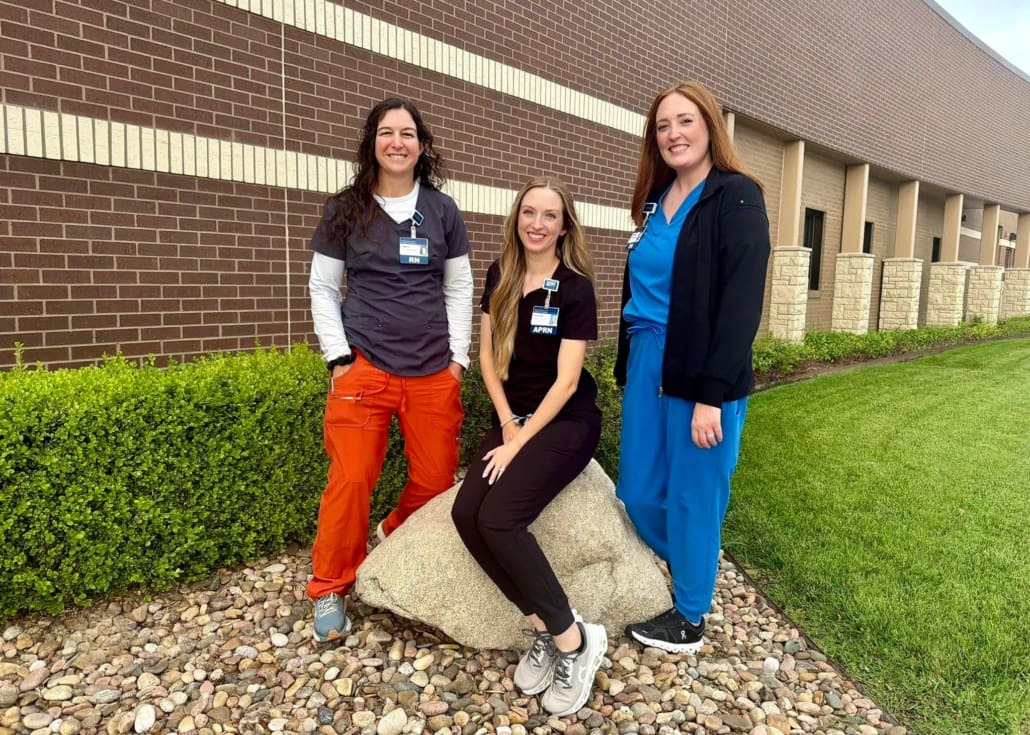
At Pawnee Valley Community Hospital, wound care goes beyond just treating what you can see. Heather Holaday, DNP, APRN, takes a comprehensive approach, looking at the full picture of a patient’s health. That can include blood sugar levels, medications, nutrition, circulation, and overall health, all of which can play a role in how well a wound heals. Holaday also works closely with a patient’s care team, which may include primary care providers, surgeons, orthopedics, podiatry, infectious disease, vascular specialists, therapy services, nutrition, and home health. The goal is to make sure nothing is missed and that care feels connected, not pieced together.
Wound care services at PVCH include treatment for traumatic injuries, burns, surgical and non-healing incisions, cysts and abscesses, pressure injuries, and diabetic ulcers. Treatment may also include advanced wound dressings, debridement, compression therapy, and other techniques tailored to support healing and recovery. Patients also have access to hyperbaric oxygen therapy through PVCH’s partnership with HaysMed Wound Care, led by medical director Dr. Tsereteli.
Patients who may be at higher risk for wounds that do not heal as expected include those who are immunocompromised, living with diabetes, or experiencing conditions such as chronic venous insufficiency or peripheral neuropathy.
One of the most important things to know is that you do not have to wait for a wound to become “chronic” before seeking care. Even wounds that have been around longer than expected can often improve with the proper care. If something just doesn’t seem quite right, it’s worth having it checked.
For some patients, wound care can feel isolating or difficult to talk about, but it does not have to be that way. At PVCH, Holaday and her team provide consistent, compassionate care so patients feel supported every step of the way.
If a wound is slow to heal, the right care can make all the difference. Wound care is available right here in Larned, with convenient scheduling and care that stays close to home. If you or someone you care for has a wound that is not healing as expected, it may be time to take a closer look.
To learn more or schedule an appointment, call 620-910-7080. Referrals are not typically required. Some insurance plans, including certain VA coverage, may require one. Our team is happy to help guide you through the process.

