
Found Early: What One Hospital Can Do
In October 2021, Julie Cowell went in for her annual mammogram. She felt fine. Nothing hurt, nothing had changed, and there was no lump to find.
But Julie knew her family history. Three of Julie’s cousins had died of breast cancer. Four more relatives had been diagnosed, including her own sister. With a bachelor’s degree in history and an interest in genealogy, Julie had traced the disease back through her family to a great-aunt who died in the 1940s, leaving young children behind. Her care team in Larned knew all of it and sent her for additional imaging.
Nine biopsies followed. Two came back as precancerous. Further imaging found cancer in both breasts, though it had not reached her lymph nodes. Because it was caught early, treatment could move quickly — chemotherapy and a double mastectomy that December.
Looking back, she knows the outcome could have been different if she had waited. She and her relatives had been tested for BRCA and other known genetic markers, and every test came back negative. A negative genetic test does not eliminate breast cancer risk, and the disease does not affect only women of a certain age or those with known genetic markers. For Julie, regular mammograms and a care team that understood her family history made early detection possible.
Through it all, Pawnee Valley Community Hospital held the center. Julie’s care team coordinated her blood work, imaging, and medications. Her nurse practitioner, Susan Aistrup, worked with her throughout treatment, and her care team stayed in constant contact with her oncology team. The night before her mastectomy, a message from her care team at Pawnee Valley was waiting on her phone: “We are thinking of you. We are praying for you. If you need anything…” When her children came in for their own appointments, the nurses asked how their mom was doing.
When a problem with her chemotherapy port sent her to the emergency room, staff immediately recognized that she was immunocompromised and moved her out of the waiting room to help minimize exposure. Four years later, Susan still works with her oncology team to manage the joint pain and hormonal side effects that come with long-term medication. Julie calls the team at Pawnee Valley absolutely fabulous, and she doesn’t limit that to herself—staff checked on her husband, too.
2021 had already been a hard year before any of this. It began with a phone call: her son, driving home from Mississippi after the holidays, had been in a car accident outside Larned. He was rushed to the emergency department at Pawnee Valley Community Hospital, where he was stabilized overnight. Julie does not believe he would have survived without the care he first received close to home. The community raised money for his prosthetic.
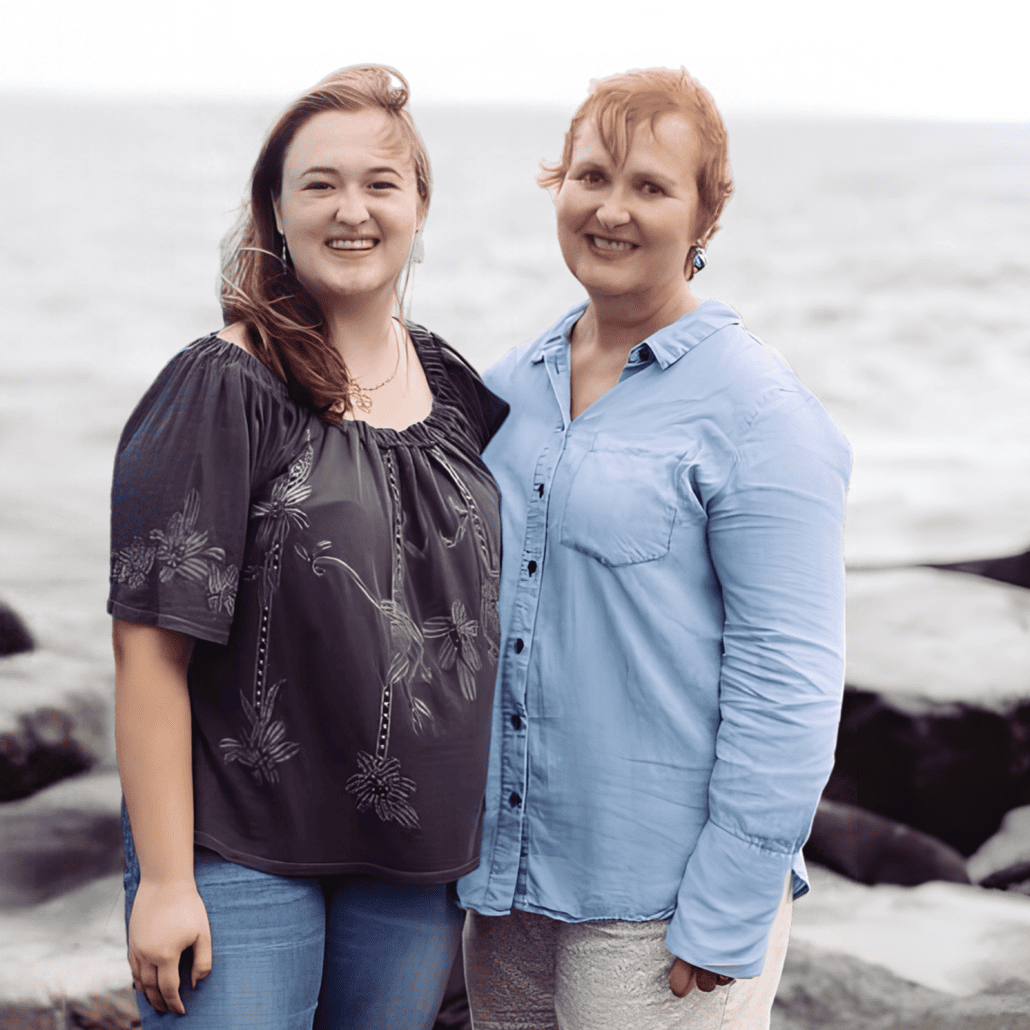
Julie and her son both came through that year, and today, Julie is cancer-free. It is, as Julie puts it, “an amazing thing when you see what one hospital can do.”
Today, Julie’s daughter, now 26, gets a mammogram every year because of the family’s history. Julie also keeps up a tradition each December: She sends Christmas cards to the women in her family, including a reminder to schedule their mammograms.
It is a small gesture, but one rooted in what she has learned firsthand: You can feel healthy and still have cancer. You can test negative for known genetic markers and still be at risk. And routine screening can reveal something that changes everything.
To schedule a mammogram, call 620-285-8840 or visit pawneevalleyhospital.com/imaging-center